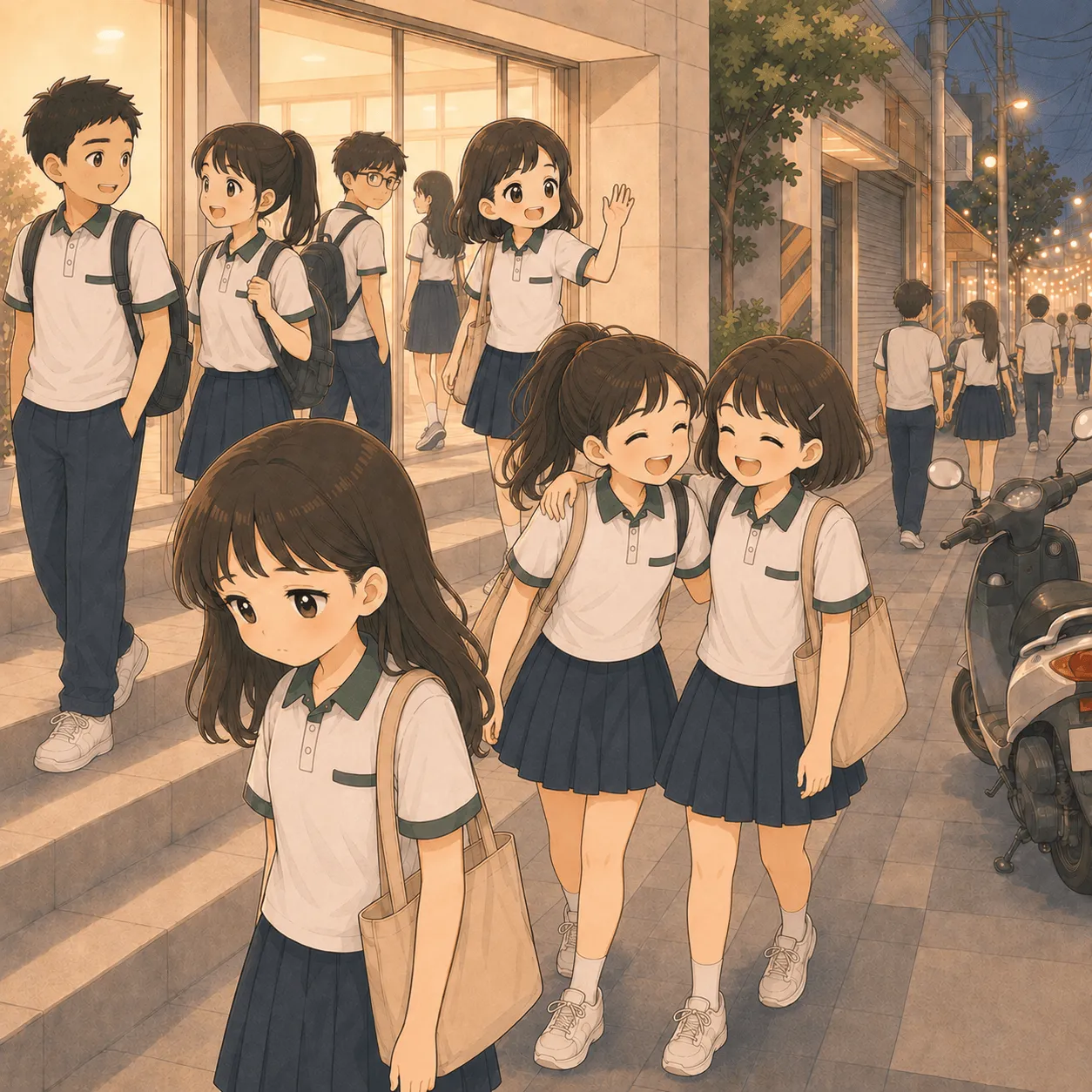





01|Work
Everything lands on you, and everyone just assumes it will
You do it fast and you do it well, so everything gets handed to you. It's just that no one seems to have asked whether you'd like someone to take a share of it too.

MBTI 16 Personality Types in Depth — A better Me
Sometimes you know exactly what you want. And other times,One sentence, one small choice, and you're still turning it over hours later。
A better Me starts from how you actually react in everyday life, and helps you see the fuller you that a result on its own doesn't show.
Maybe you'll recognize yourself here!

Some kinds of tired don't go away with a night's sleep
You do it fast and you do it well, so everything gets handed to you. It's just that no one seems to have asked whether you'd like someone to take a share of it too.

It isn't that you don't like them. It's that somewhere in all the smiling you get tired, and you want a quiet moment alone before going back.
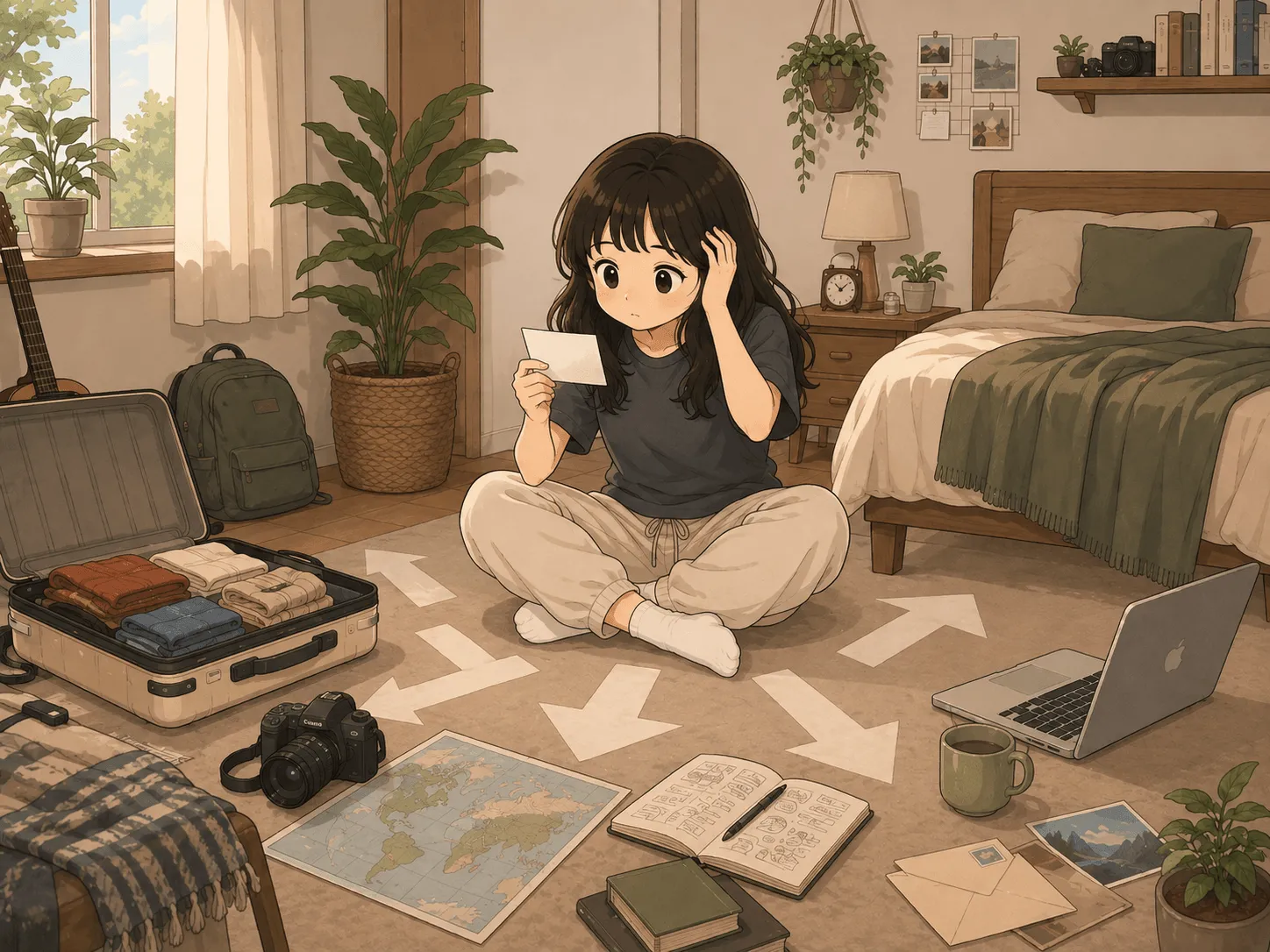
Every option makes sense. You keep looking for the most correct answer, and rarely stop to ask: which one is more like me?
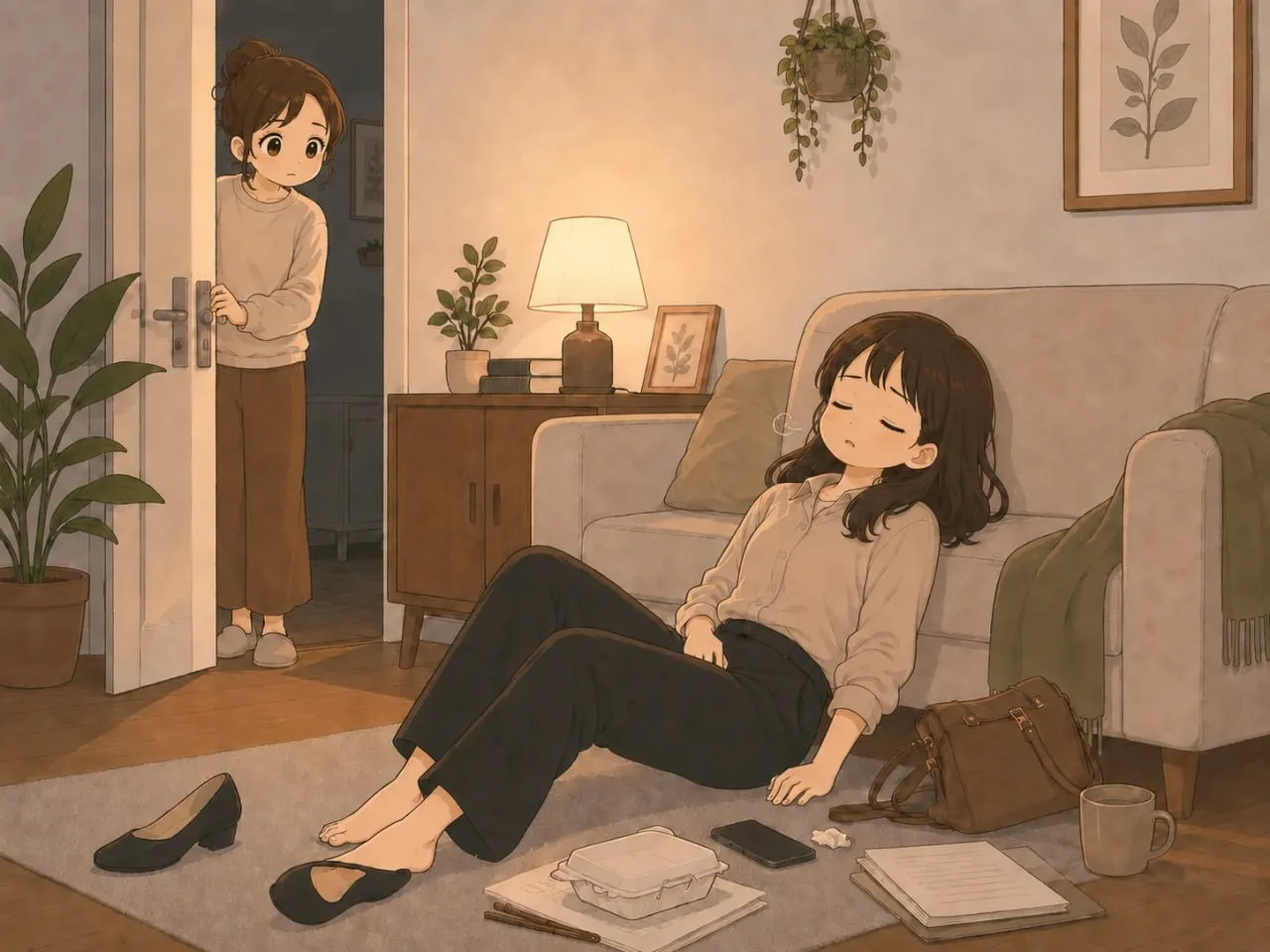
You're not being cold on purpose, and you haven't suddenly gone lazy. It's just that today's energy is genuinely all used up.
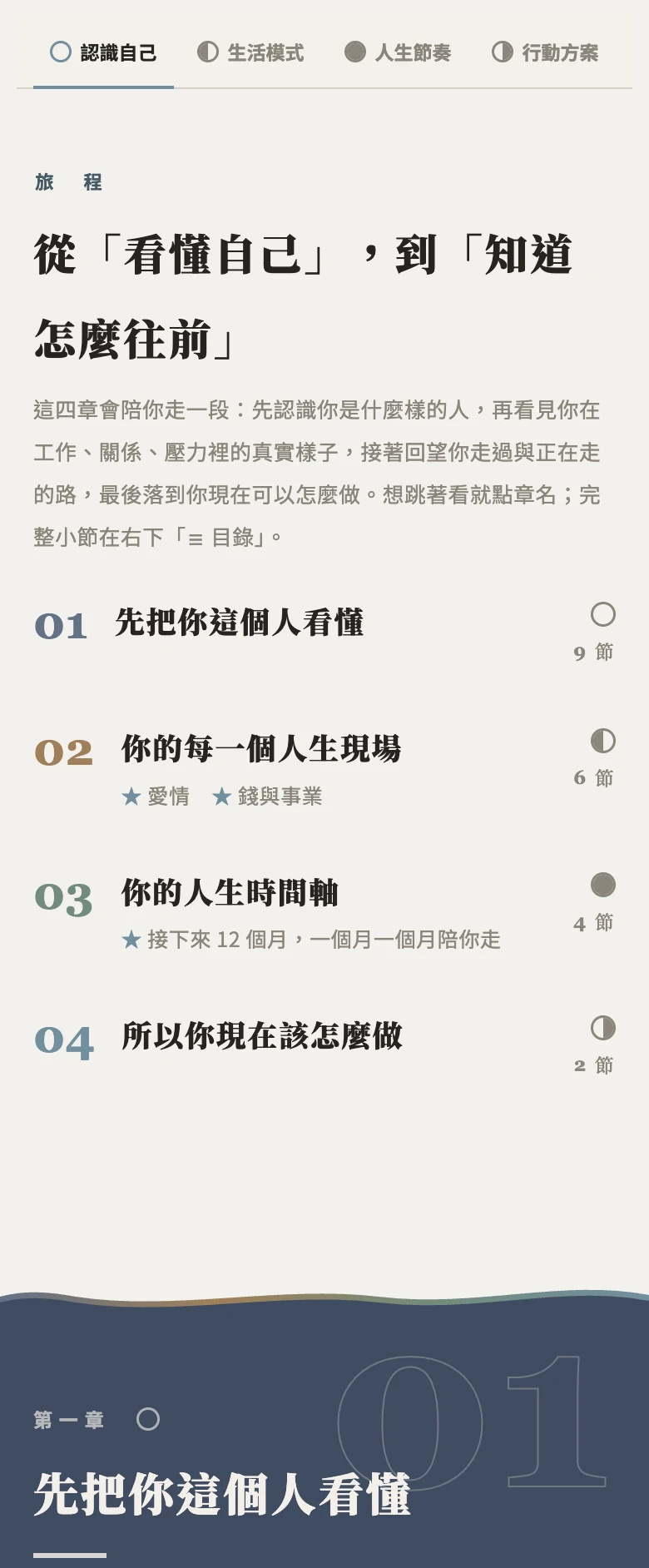
Once you begin, the first thing you'll see
First you'll see a personal result generated from your answers. It's in no hurry to draw conclusions for you — it puts a few of the reactions most like you side by side, so you can compare for yourself.
Don't ask yet whether it's accurate. Just see whether any part of it makes a sentence surface in you: yes, that really is how I am.
先用熟悉的 MBTI 對上自己
先從你熟悉的開始
記得自己的類型就直接選;不確定也沒關係,可以先用四個日常題找一個接近的入口。 接下來不只看你是哪一型,還要看你和同型的人哪裡不一樣。
先找到你熟悉的類型
先選一個你記得的類型。這只是起點,往下才會開始看你自己的差別。
先找一個入口
01 / 04
這四題只是幫你找個接近的入口。你點的這幾下,我們不會拿去推測你別的事。
你選的是
別人常先看見
但你自己可能更清楚
INFP · 你和其他 INFP
如果一個人比較像這個反應,他可能更在意
先看一個很日常的差別
看起來做同一件事,心裡在意的可能完全不同。這裡只是給你看差別,不會拿你點的這一下替你下結論。
四個字母只能先說到大方向
想知道你是哪一種,要把四個角度放在一起對過一輪。
生活裡,差別常出現在這裡
不是星座套話。你平常說的「我是某某座」只是其中一小塊,東方那邊也不是只看生肖。四個地方都指到同一件事,我們才把它寫成一句你聽得懂、也用得上的話。
很多人也想過
MAYBEITS.ME
A person isn't just one version. How you react in different relationships, what you care about at different times, how you are when you're tired and when you have room to breathe — all of it can differ.
Understanding yourself isn't picking the one right answer. It's slowly noticing which changes came from your surroundings, and which are the parts you actually want to keep.
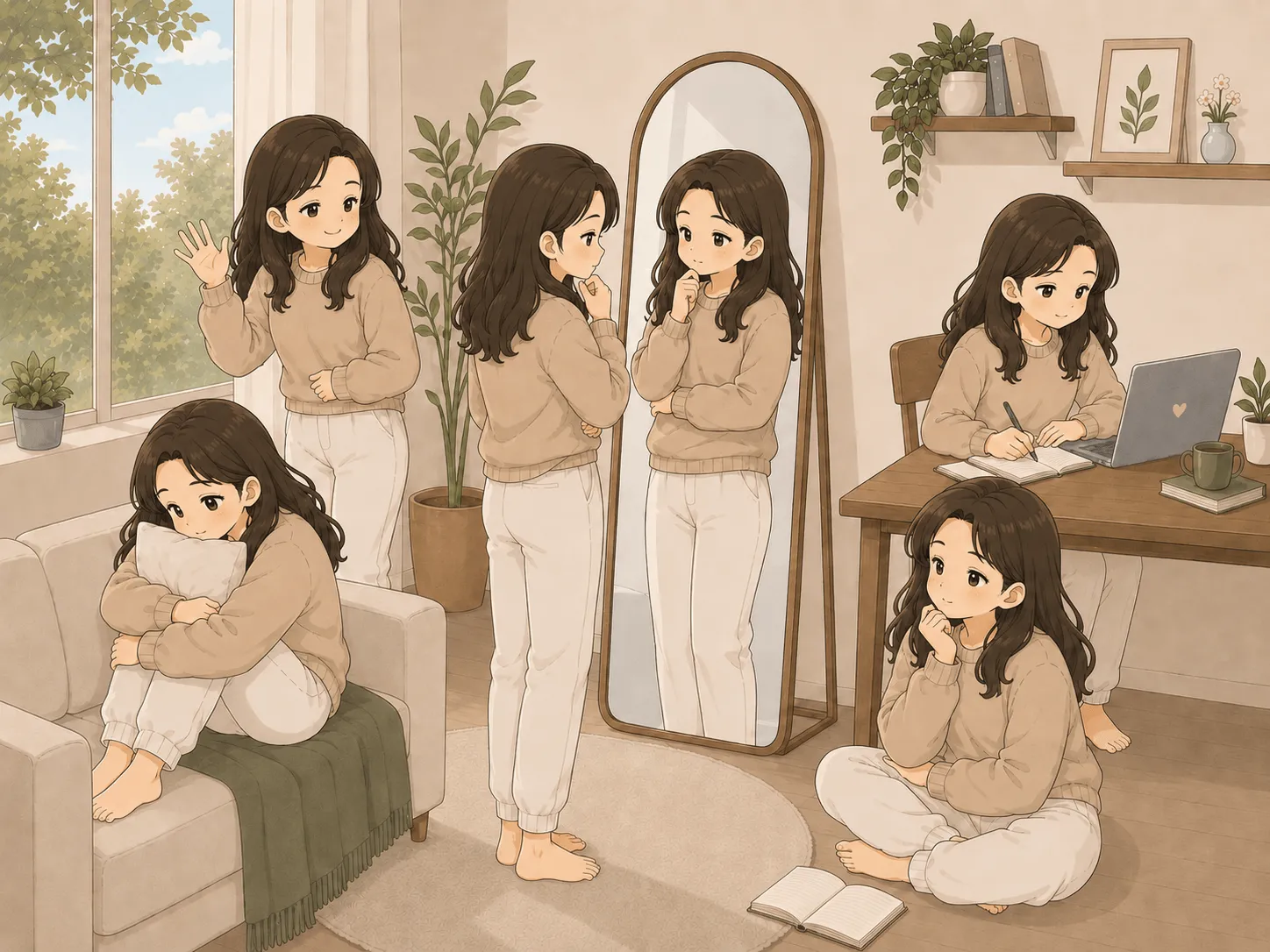
Which part of yourself would you like to see first?

Sometimes what's needed is a breath. Sometimes it's admitting that something no longer fits you.
Being able to do it doesn't mean the current pace, role, and expectations still fit you.
Some hurts aren't things you don't mind. You're just used to making it easier for everyone else first.
Pressure doesn't only make you tired. It also amplifies the reactions you usually keep well hidden.
No need to have an answer ready
No need to pick the answer that looks best, and no need to guess which option belongs to which personality.
Some parts will click right away. Others you can set aside and come back to slowly.
You decide, at your own pace, how far you want to look right now.
Understanding yourself shouldn't stop at a result page
Which choices are what you truly want, and which come from not wanting to disappoint anyone.
How you tend to voice a need, where you give way, and when you tire most easily.
The strengths you rely on can turn into a different kind of reaction when you're worn out.
Not asking yourself to get better overnight, but building up slowly: what you see this time is something you can actually use next time.
You can believe it, and you can hold some of it back
A result can't decide your work, your relationships, or your future for you.
Take with you the parts that land. The parts that don't fit, you don't have to accept.
If there is further content, a tool, or something to choose from later on, the page will show what is actually offered before you decide.
Before you begin, you might want to ask
The free result is an outline put together from your personality type. The paid report is generated again from your actual answers to all 93 questions, so the two share only the type code and the dimension ratios — everything else is completely different. The report itself starts from 15,000+ Chinese characters and covers where you fit at work, your patterns in relationships, your blind spots with people, and how you manage your energy, along with 10 or more chibi-style illustrations drawn from your own look. It doesn't only tell you “who you are”; it also tells you “what you can do about it”.
About 20 to 30 minutes. All 93 are real everyday-situation questions, so just go with your first instinct — there's no need to think them over for long. Every answer saves automatically, so nothing is lost if you close the page, and if you want a break you can come back and pick up where you left off at any time.
You can work through all 93 questions without paying, and you'll see the outline of your type and the life stage you're in. When you reach question 10 you'll first see an overview of the plans, and you can simply choose to carry on and finish. Starting does not create any payment.
The work chapter looks at the kind of environment where you do your best, where you're most likely to trip up at work, and how to steer around it. It won't hand you a list of job titles, and it won't decide for you whether to stay or go; it helps you understand how you work, so you have one more thing to weigh when a choice comes up.
It covers all 16 personality types: INFJ, INFP, INTJ, INTP, ISFJ, ISFP, ISTJ, ISTP, along with ENFJ, ENFP, ENTJ, ENTP, ESFJ, ESFP, ESTJ, ESTP. Whether you lean E or I, the reading you get is generated from the answers you actually gave.
It does. The relationships chapter unpacks your attachment patterns, helps you see what you actually need inside a relationship, and why you keep running the same script in love. It's a reference for understanding yourself, not a verdict on any relationship you're in.
It's generated from the answers you actually gave, and no two reports come out the same. The report is presented as a web page and, once it's finished, kept permanently at your own dedicated link, so you can read it any time. We don't currently offer PDF or image downloads; if you'd like an offline copy, you can save one yourself with your browser's “Print / Save as PDF”.
Soul Talk is audio made one to one from the content of your report: the whole report told again in sound, plus a melody written from your own story. Good for a commute, for bedtime, or for the times you'd rather not look at a screen. It's an add-on, and once the audio has finished generating it appears directly on your report page — we don't send files separately.
Yes. Within 24 hours of receiving your written report, email us specific suggestions of 50+ Chinese characters (for example, which aspects you'd like added, or which parts weren't described accurately enough), and the refund of the report fee will be accepted; we'll process it within 7 to 14 business days. We ask for specific suggestions because we genuinely use them to improve the system, not to set up a hurdle.
No. The content is there to organize your tendencies, your situations, and the patterns that keep coming back; you can keep it, revise it, or disagree with it. This is a self-exploration tool, not a professional psychological assessment, and important choices are still yours to judge against your real circumstances.
maybeits.me — Maybe this is me too
Just see whether some part of the result happens to say the thing you've been carrying all along and never quite knew how to put into words.
Start HereJust answer as the everyday you.
